IT Procurement That Reduces Risk and Waste
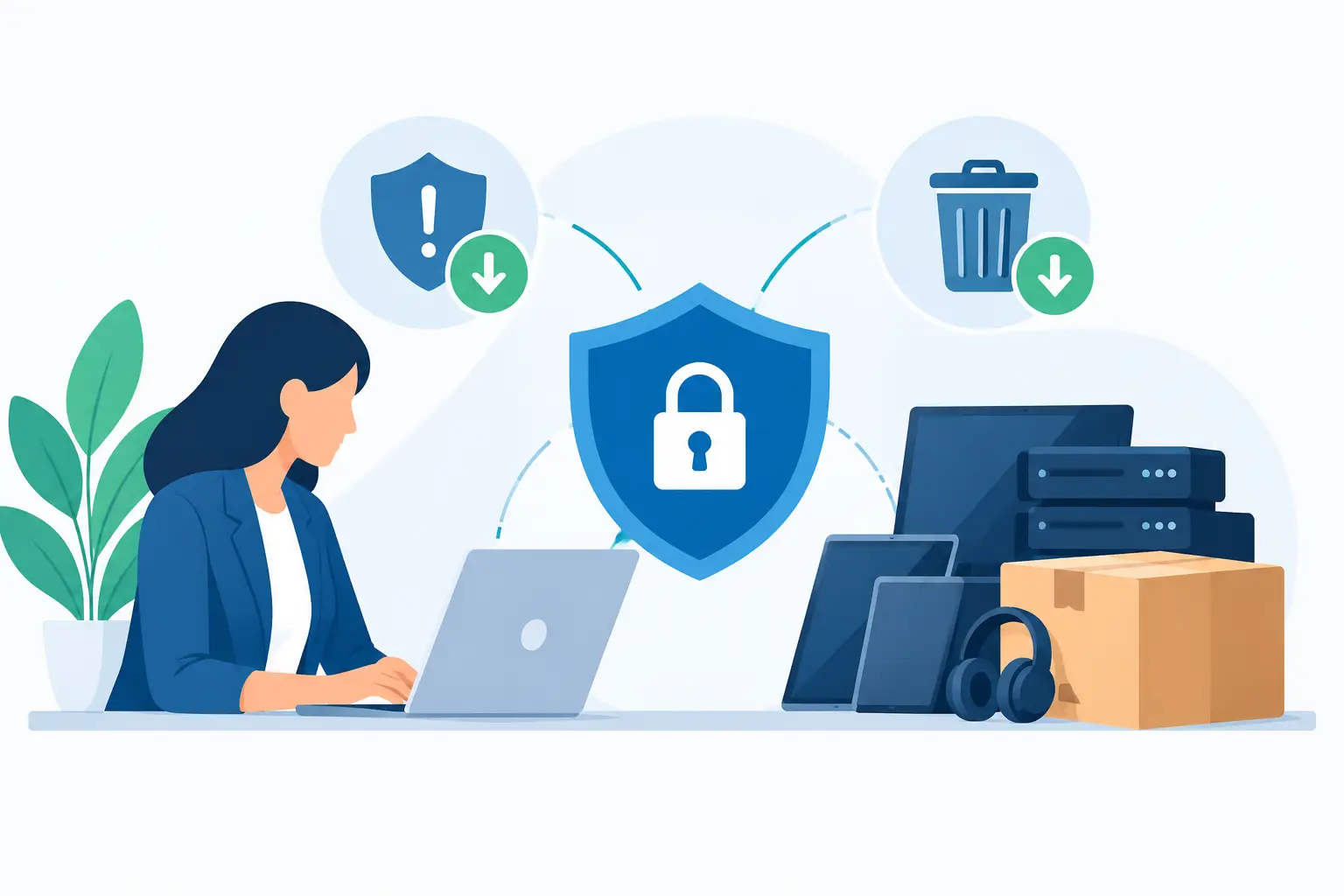
A laptop order, software renewal, or network upgrade can look like a routine business purchase. In practice, IT procurement determines who can access sensitive data, how quickly systems can be recovered, whether compliance requirements are met, and how much unplanned cost an organization absorbs later. Effective IT procurement is not simply buying technology at the lowest price. It is making informed decisions that support security, operations, and long-term resilience.
For executives, IT directors, and operations leaders, the challenge is balancing immediate needs against risks that may not appear until months after a purchase. A discounted platform with weak identity controls, unclear support terms, or limited integrations can create far more expense than it saves. The right process brings technology, security, finance, and business requirements into the same decision.
Why IT Procurement Is a Security Decision
Every technology purchase introduces a relationship with a vendor, a product lifecycle, and a potential attack surface. That is true whether the organization is acquiring endpoint devices, cloud applications, firewalls, backup platforms, collaboration tools, or managed services. Procurement decisions should therefore be evaluated through the same risk-aware lens used for cybersecurity planning.
Consider a department that adopts a cloud application to solve a legitimate operational problem. If the application stores protected health information, student records, financial data, or employee information, decision-makers need to know where that data resides, who can access it, how it is encrypted, and what happens if the vendor experiences an outage or breach. If those questions are asked after implementation, the organization may already be exposed.
Security is only one part of the equation. Technology that does not fit the existing environment can create hidden operational burdens. An endpoint management tool that does not integrate with the organization’s identity provider may require separate accounts and inconsistent access controls. A backup solution that cannot meet recovery time objectives may leave operations stalled after a ransomware event. A product that requires specialized skills may add pressure to an already stretched IT team.
This is why purchase price should be viewed as one data point, not the deciding factor. The total cost of ownership includes licensing, deployment, integrations, support, training, maintenance, security administration, renewal increases, and eventual replacement. For many organizations, the cost of downtime or a compliance failure outweighs a modest difference in upfront pricing.
Start With the Business Requirement, Not the Product
Strong procurement begins before a brand or product is selected. The first question is not, “Which tool should we buy?” It is, “What business and risk problem must this investment solve?” That distinction prevents teams from purchasing overlapping tools or investing in features they will not use.
A clear requirement should define the users, the data involved, the operational outcome, and the security expectations. If a school is replacing aging devices, for example, the requirement may include centralized management, secure student access, content filtering compatibility, warranty coverage, and a replacement schedule that fits budget cycles. If a healthcare organization is choosing a file-sharing platform, the requirement should account for access controls, audit logging, retention needs, and applicable privacy obligations.
The requirement also needs a realistic scope. Buying more capacity or complexity than the organization can manage is not a sign of maturity. Smaller organizations may be better served by a well-configured, supportable platform than by an enterprise-grade solution requiring full-time administration. Larger organizations with distributed locations, formal compliance obligations, or high availability needs may need more sophisticated architecture and vendor commitments. The correct choice depends on the organization’s risk profile, internal capabilities, and growth plans.
Build Security and Compliance Into Vendor Evaluation
Vendor evaluation should examine more than a feature list. A product can meet functional requirements and still introduce unacceptable risk. Before approving a provider, assess its security practices, contractual commitments, financial stability, and ability to support the organization over time.
For software-as-a-service providers, evaluate how identity and access management works. Single sign-on, multifactor authentication, role-based permissions, audit trails, and administrative controls are often essential requirements, not optional enhancements. Determine whether the solution supports the organization’s retention, legal hold, reporting, and data export needs. A platform that is easy to adopt but difficult to leave can create a costly dependency.
For hardware and infrastructure purchases, review product support dates, firmware update practices, warranty terms, replacement availability, and compatibility with current systems. A firewall, server, or wireless platform may be technically capable today but a poor investment if it is approaching end of support. Similarly, unmanaged or unsupported devices can become a weak point in the security program.
Regulated organizations should also confirm that vendor assurances align with their obligations. Healthcare entities may need specific privacy and contractual safeguards. Financial organizations may require stronger vendor oversight and incident reporting commitments. Government agencies, schools, and nonprofits may have procurement rules, grant requirements, data residency considerations, or public-records obligations. Compliance does not guarantee security, but failing to address it early can delay deployment and create avoidable exposure.
A Practical IT Procurement Process
A disciplined process does not have to be slow or bureaucratic. It should be structured enough to prevent surprises while allowing the organization to respond to urgent needs. The process works best when key stakeholders are involved early, particularly IT, security, finance, legal or compliance, and the department that will use the technology.
First, document the business objective and the minimum technical, security, and operational requirements. This creates a standard against which options can be compared. It also gives leadership a clearer basis for approving the investment.
Next, assess the current environment. Confirm what tools are already licensed, which systems must integrate, where data will flow, and what internal skills are available. This step frequently identifies opportunities to consolidate platforms, retire unused subscriptions, or use capabilities that already exist in the technology stack.
Then, compare qualified vendors based on total value rather than a single quote. The comparison should include implementation effort, support model, security controls, lifecycle expectations, scalability, and renewal terms. A lower-cost option may be appropriate when requirements are straightforward and the vendor offers adequate support. In higher-risk environments, a more established solution with stronger controls and a predictable lifecycle may justify the added cost.
Before signing, review the contract carefully. Pay attention to renewal language, price escalation, termination rights, data ownership, breach notification timelines, service levels, and support responsibilities. Many organizations discover unfavorable terms only when they need to change providers, recover data, or address a service failure. Contract review is not merely a legal exercise. It is part of business continuity planning.
Finally, treat implementation as part of the purchase, not an afterthought. Assign ownership for configuration, access management, user training, documentation, asset records, and ongoing monitoring. A security tool that is not configured or a software license that is not actively managed will not deliver its expected value.
Avoid the Most Common Procurement Gaps
The most damaging mistakes often occur because a purchase seems too small to require oversight. Shadow IT is a common example. A team may subscribe to an online service with a corporate credit card, upload business data, and invite outside users without IT or security review. The immediate convenience is real, but the organization may lose visibility into data handling, account ownership, and offboarding.
Another gap is purchasing technology without a lifecycle plan. Every device and application should have a known owner, inventory record, support status, renewal date, and retirement path. Without this information, organizations accumulate unsupported hardware, unused licenses, and credentials tied to former employees or third parties.
Budget timing can also drive poor decisions. When procurement is treated as a year-end spending exercise, teams may rush into purchases before requirements are validated. A better approach is to connect technology planning to the organization’s risk assessment, strategic priorities, and multi-year budget outlook. That makes it easier to prioritize investments such as multifactor authentication, secure backup, endpoint protection, network modernization, and user awareness training based on actual exposure.
Use Procurement to Strengthen Resilience
The best technology investments make the organization easier to secure, operate, and recover. They reduce the number of disconnected systems, provide clear accountability, and give leaders confidence that critical services will remain available during disruption.
This requires ongoing attention after the initial purchase. Review software utilization, vendor performance, access permissions, support status, and renewal dates throughout the year. Reassess critical providers when the organization changes locations, adopts new business processes, handles different types of data, or faces new regulatory requirements. Procurement is a lifecycle, not a transaction.
For organizations without dedicated procurement or security resources, an experienced IT partner can provide the technical and risk perspective needed to evaluate options objectively. Hammer IT Consulting helps organizations align technology purchases with cybersecurity requirements, operational goals, and available budgets so that investments support protection rather than create new gaps.
The next technology request on your desk is an opportunity to do more than fill an immediate need. Ask what it will require to secure, support, recover, and eventually replace. That discipline turns a purchase into a decision that protects your data, your operations, and your reputation.